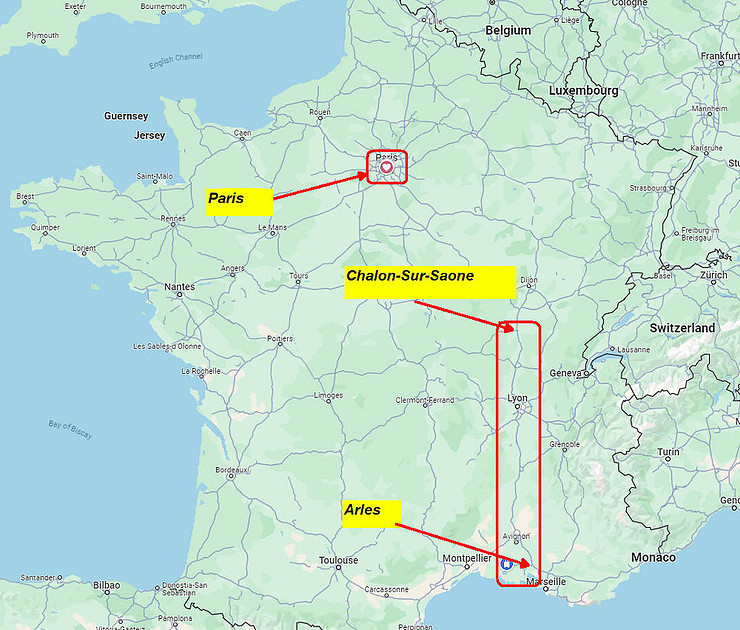
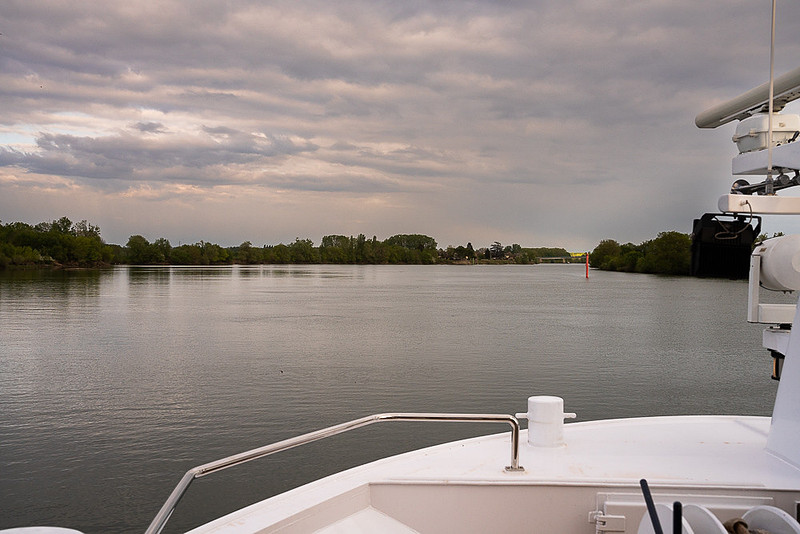
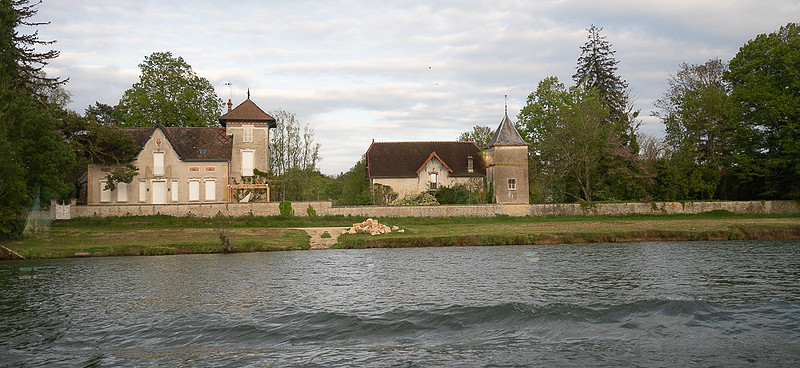
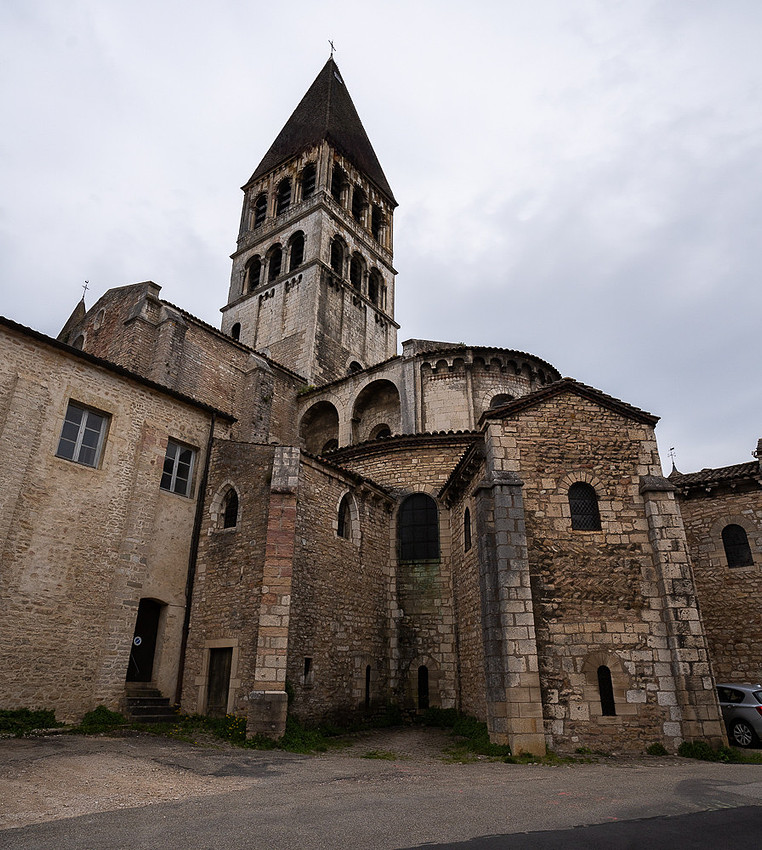
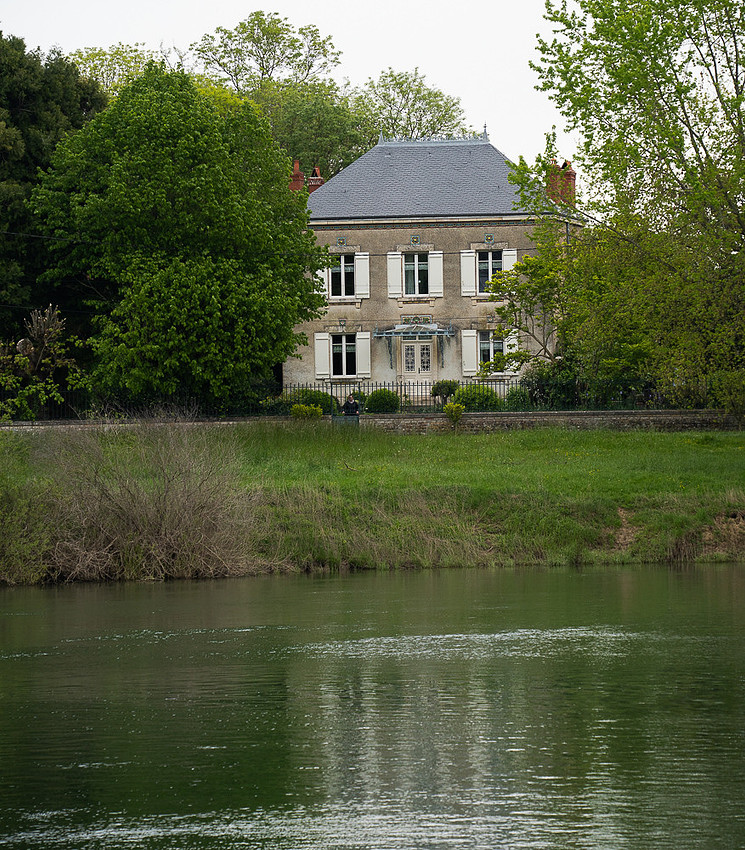
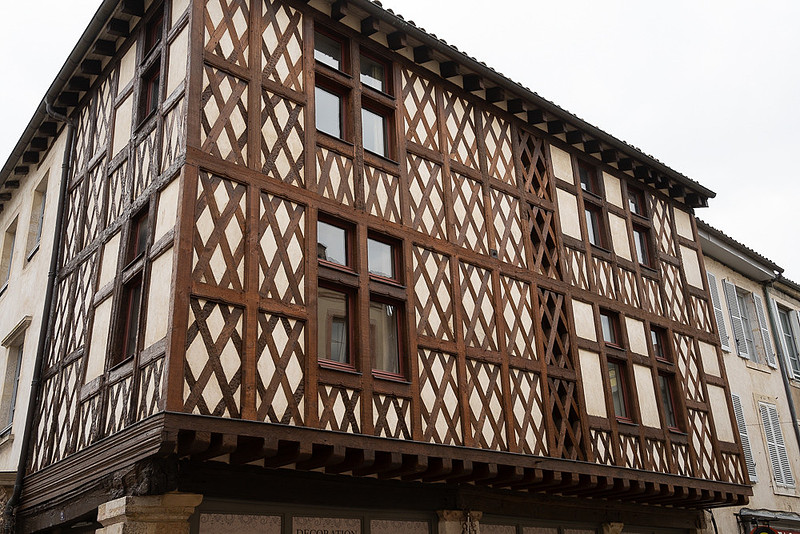
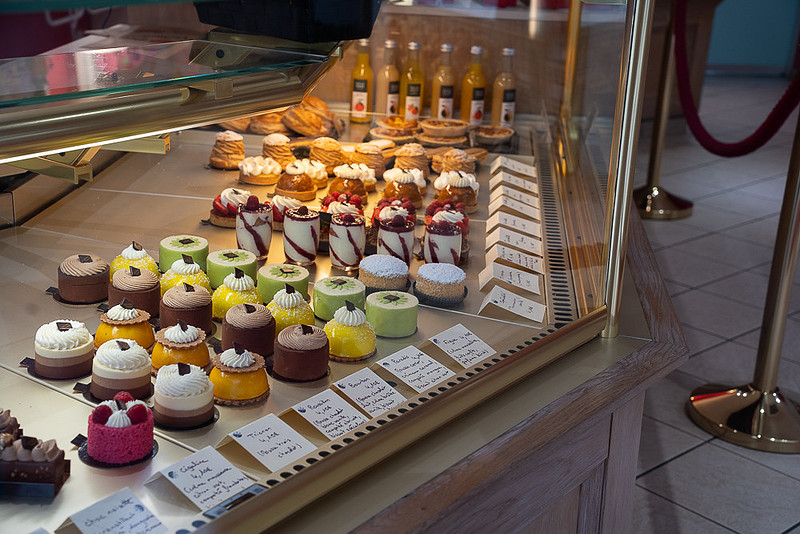
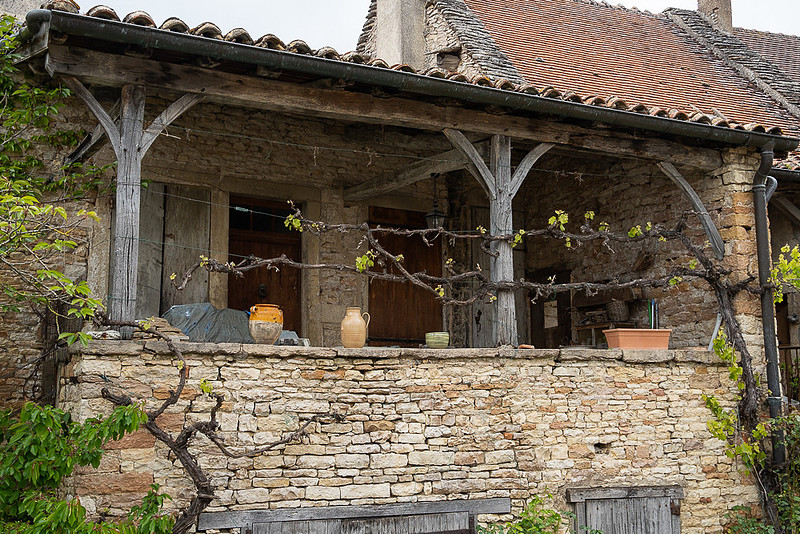
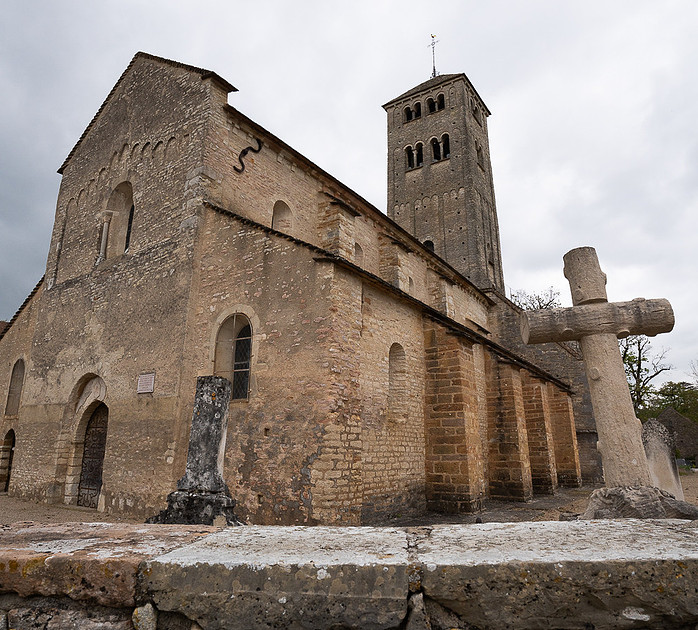
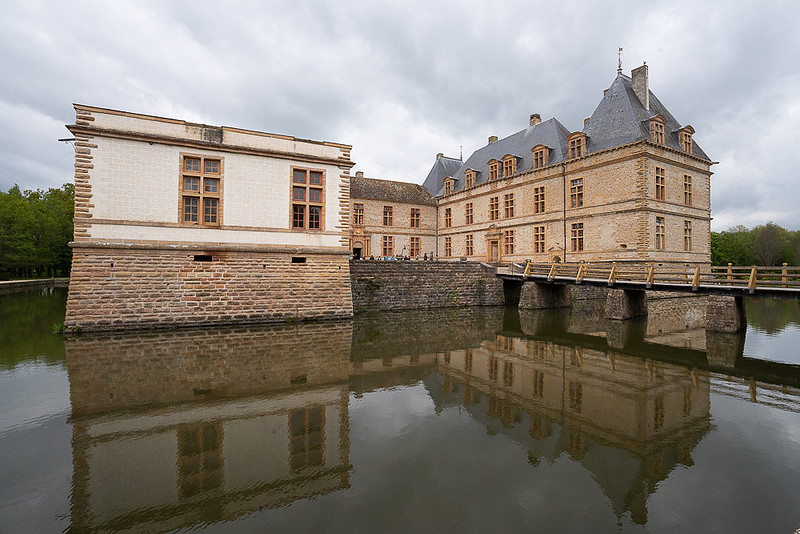
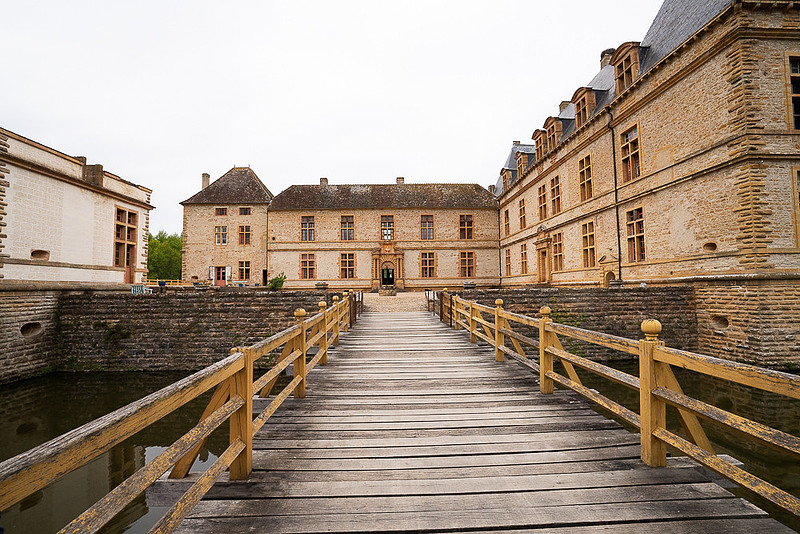
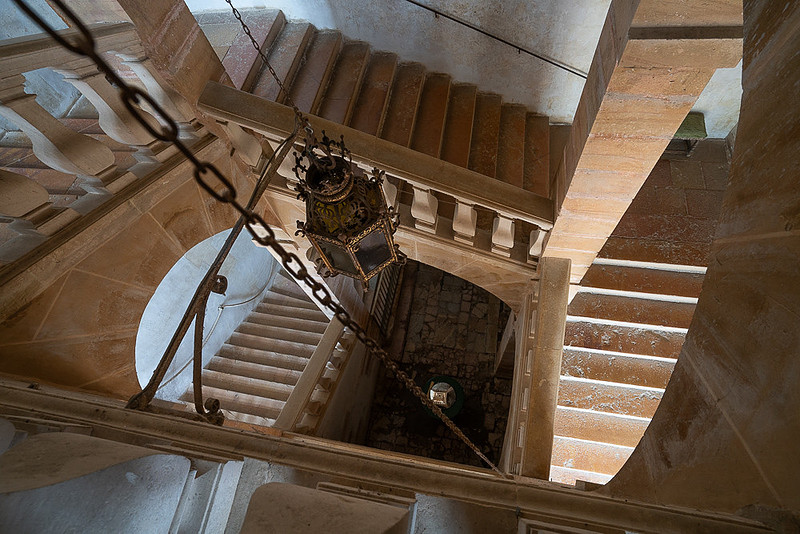
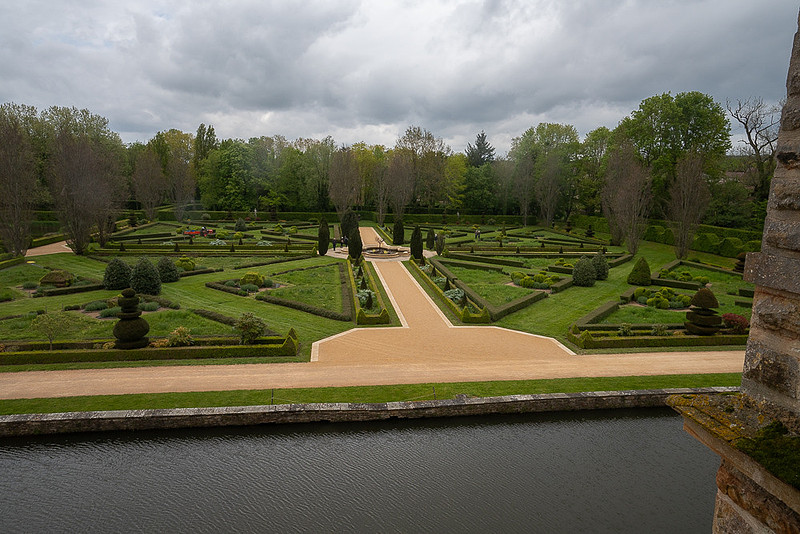
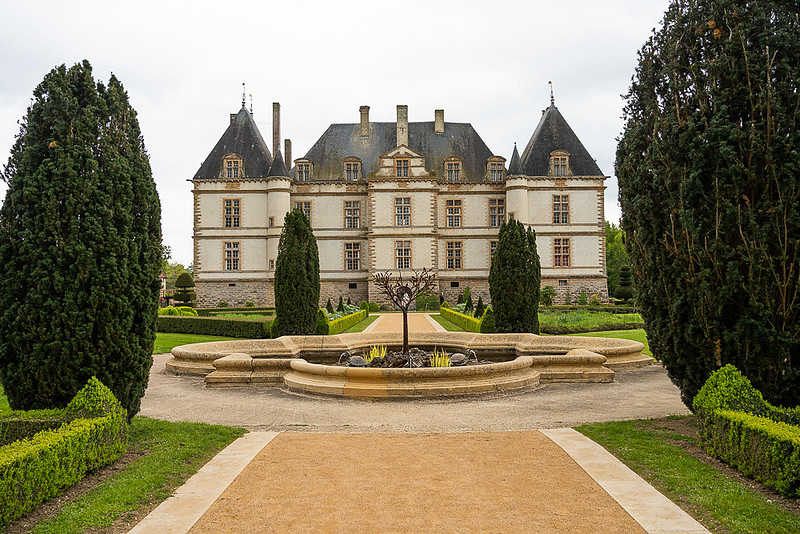
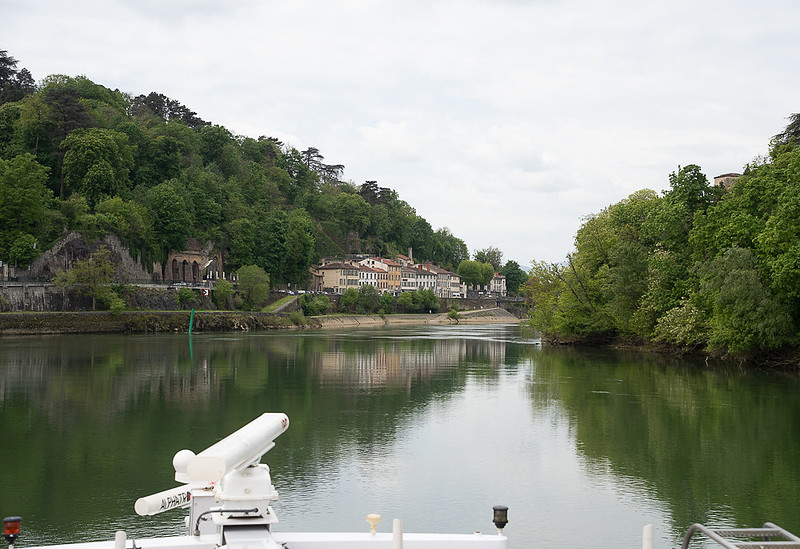
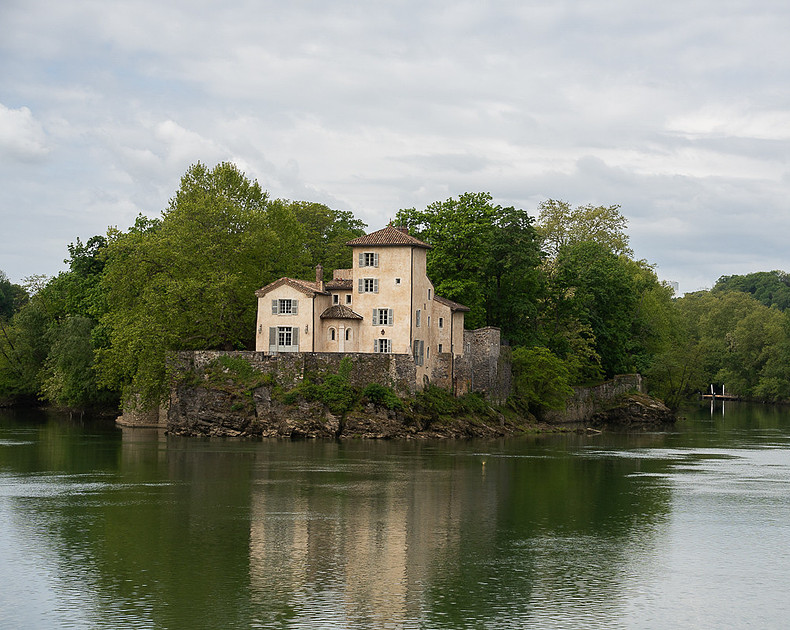
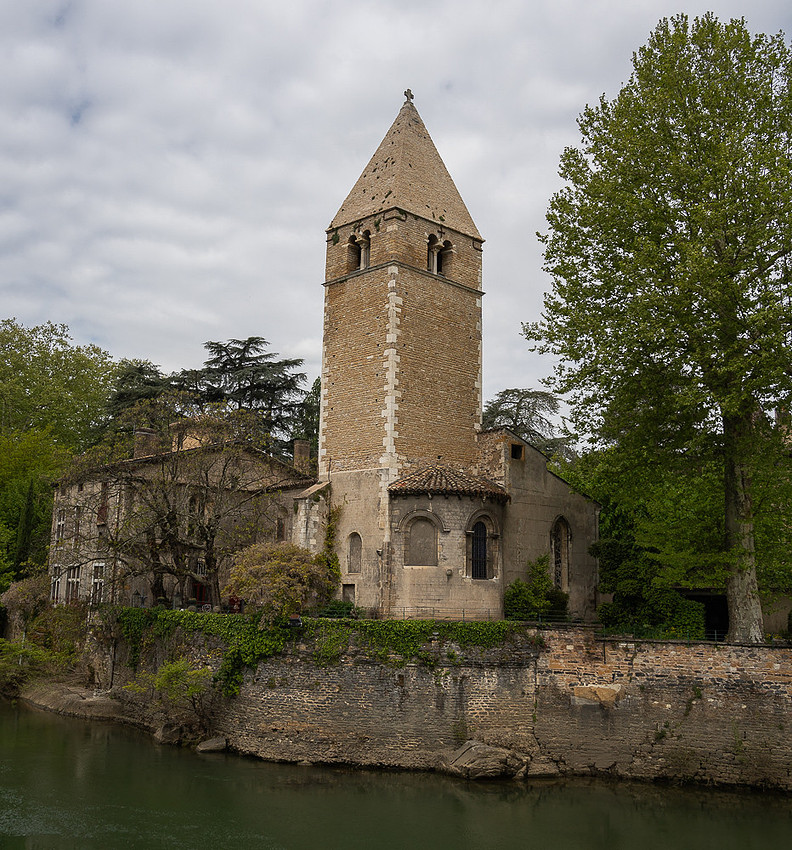
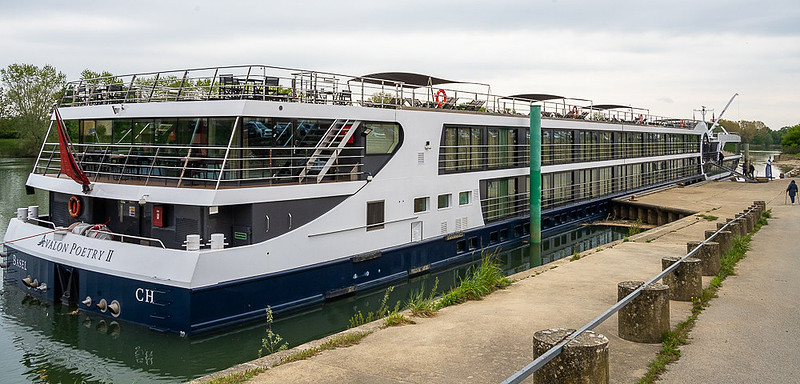
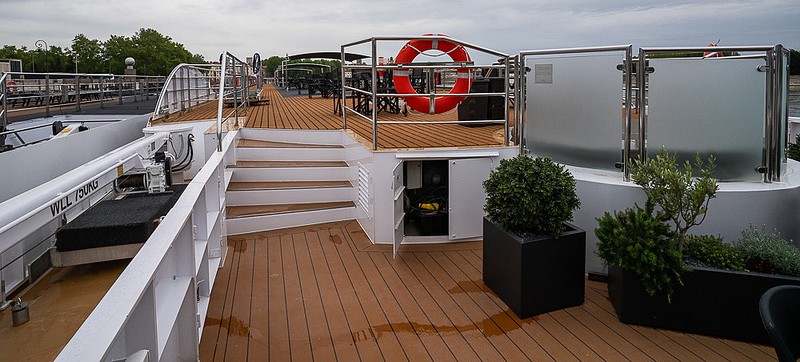
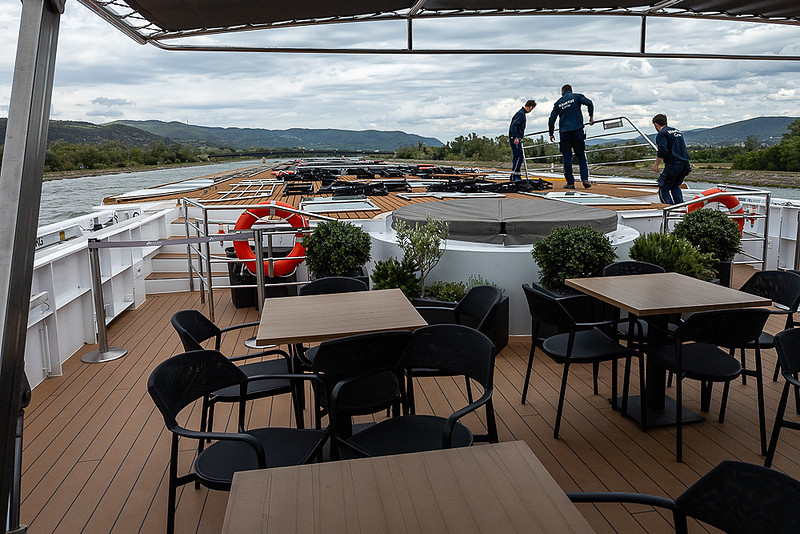
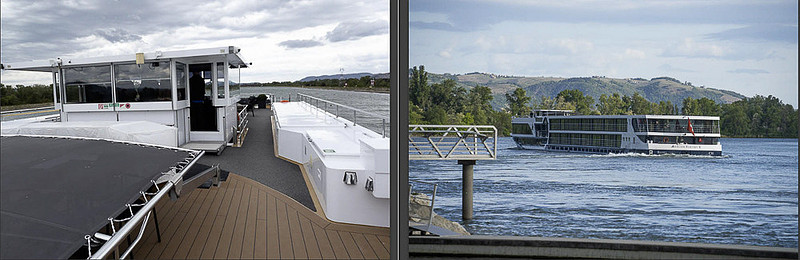
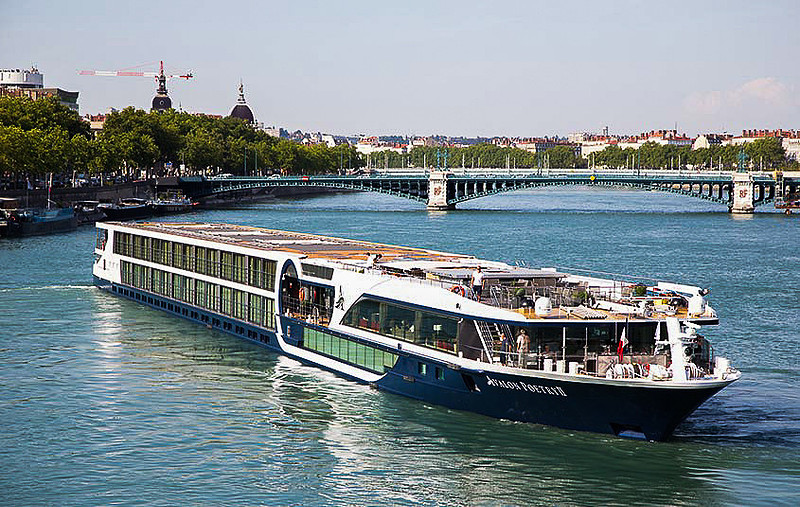
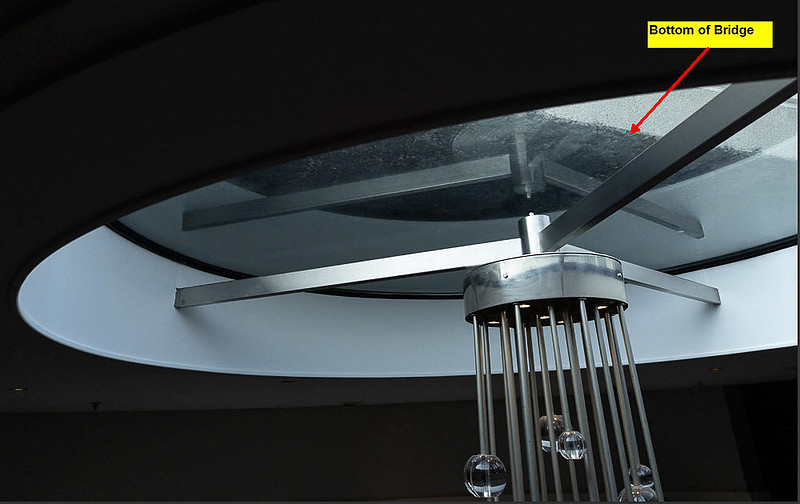
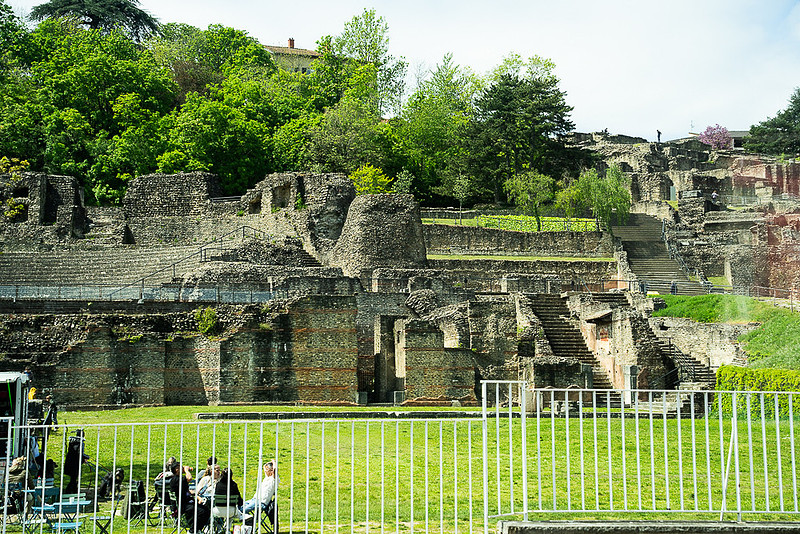
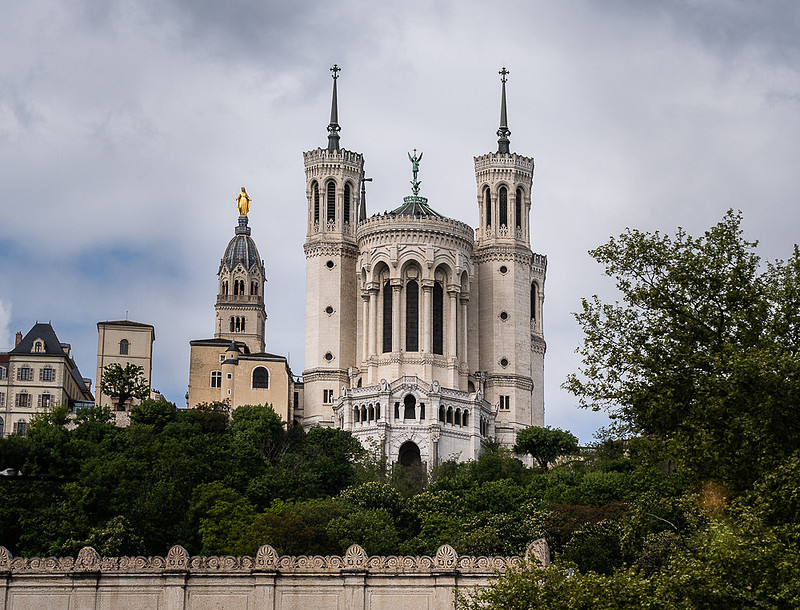
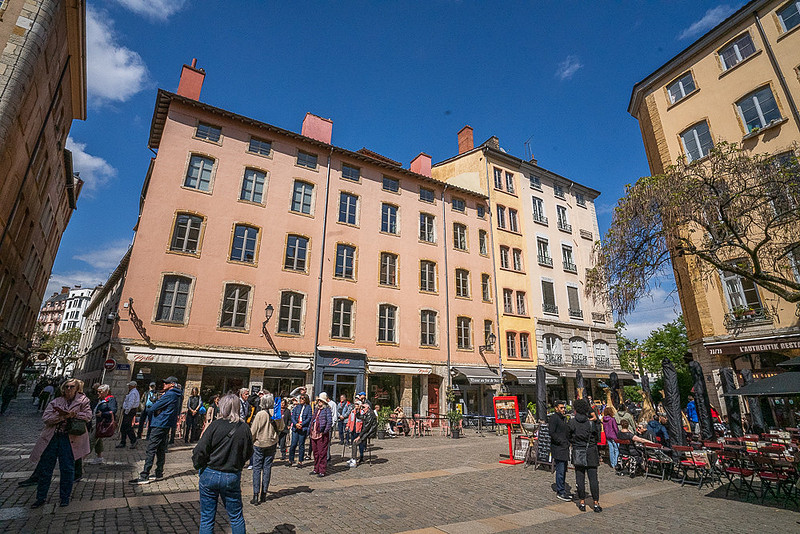
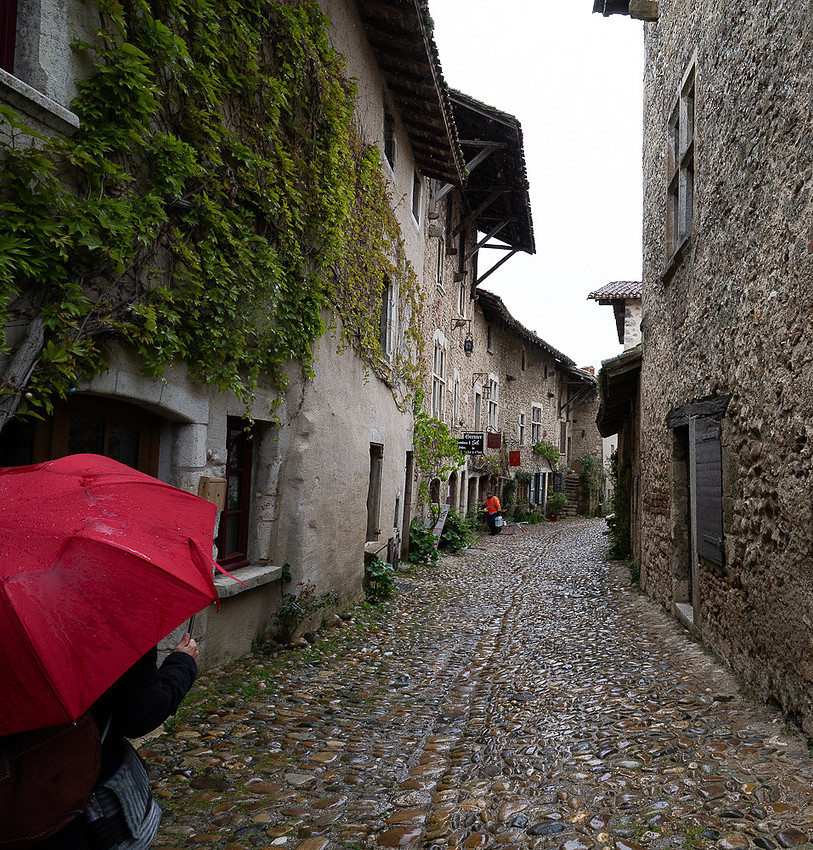
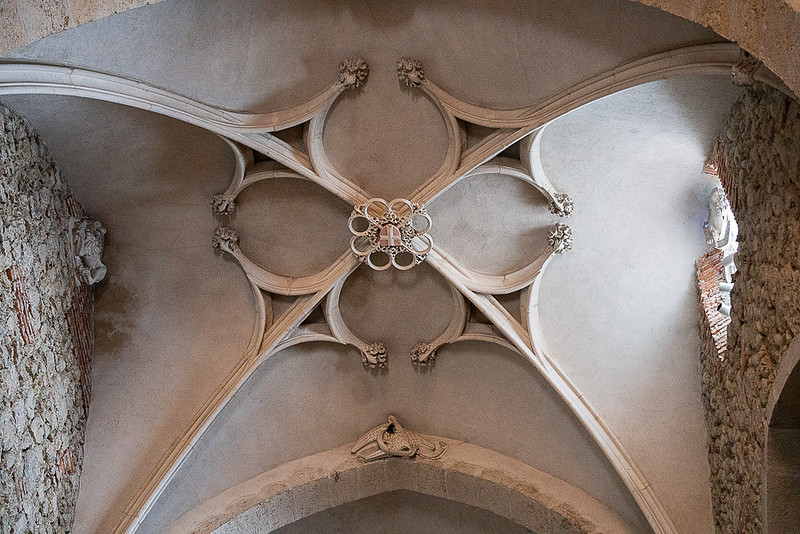
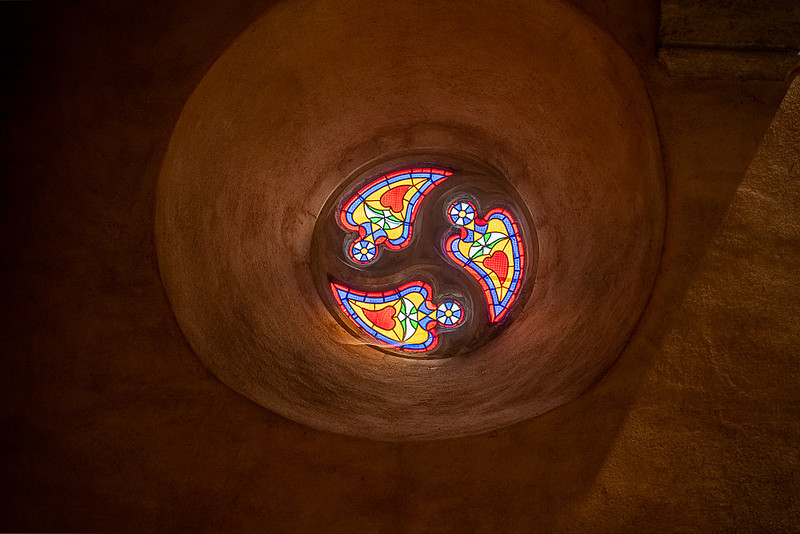
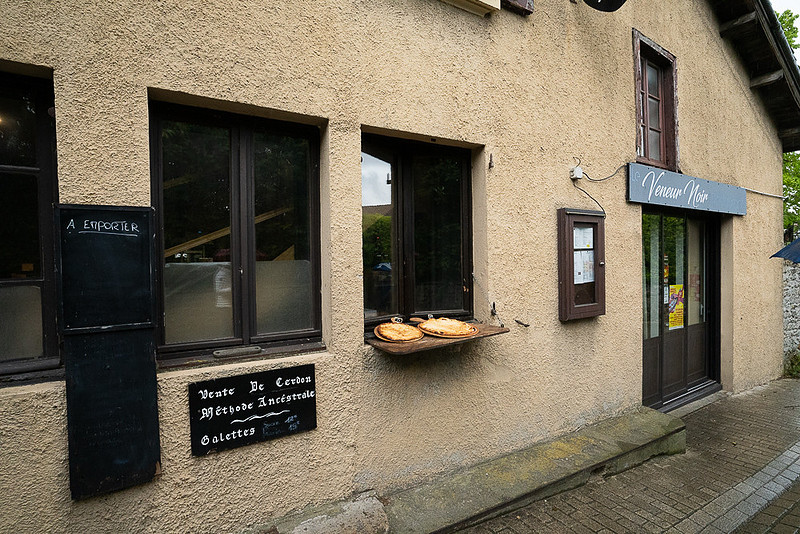
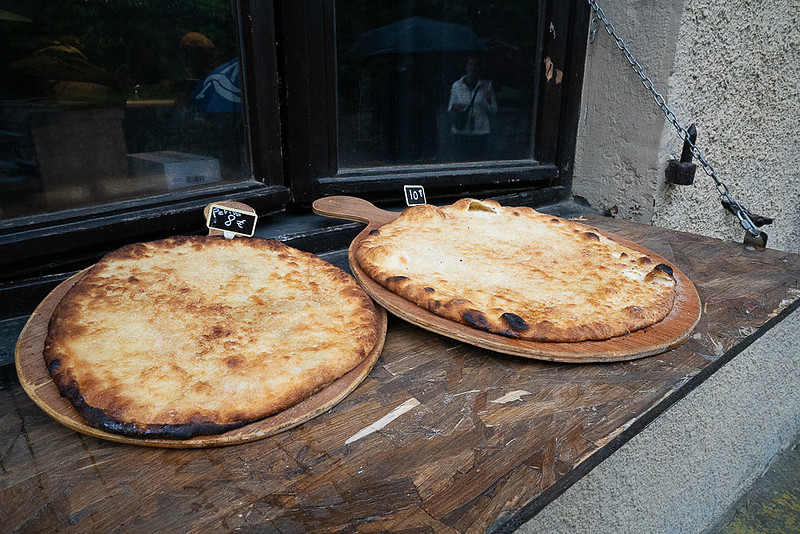
France #02 - Paris to LyonApril 2024 Trip France Trip 2024 #02 – Paris to LyonThis travel log is for a trip to France in April of 2024. This trip included a few days in Paris followed by a river cruise on the Saone and Rhone rivers through the Burgundy and Provence regions from Chalon-Sur-Saone to Arles (near Marseille). Areas Visited map This episode takes us from Paris, through Lyon to Chalon Sur-Saone by train to meet our boat. Then on the ship we cruised south on the Saone River from Chalon Sur-Saone to Lyon with stops in Tournus, Chapaize, Chateau de Cormatin, Lyon and Perouges. Paris to Chalon Sur-SaoneFrom Paris through Lyon to Chalon Sur-Saone on a couple of trains After our last night in the Paris hotel, we packed up and grabbed a cab to the Gare de Lyon train station with our luggage. Negotiating a foreign train station with all our luggage would be interesting, but we’d done it before so we didn’t worry too much about it. So with confirmed reservations in hand we headed out. We arrived at the Gare de Lyon in plenty of time in case things went side-ways. When we arrived at the station and unloaded the cab I looked around to see where the entrance was and there, waiting along a wall in the shade were two young women in some sort of uniform each standing next to an empty wheel chair. So, I went over to see what they were all about. Turns out they are “assistance agents” for the train station. We had done some research on-line for that station ahead of time looking to see if they had any assistance and could not find anything so it was quite a pleasant surprise to find them there. That made things much easier, especially for Ellen as there turned out to be quite a bit of walking involved to get from the front entrance to the platform for our train which was in kind of an auxiliary area behind the regular train station building. Along the way we picked up some food for the ride and were quite happy that the attendant was adept at figuring out where we needed to go and reading the overhead signs looking for our train to be posted. As we were so early, we just stood around for 20-30 minutes waiting for the train to be posted. Eventually it was and we got on board. This was a high speed train with reserved seats and luggage racks near the entrance to each car. The ride was quite nice and provided a very nice panorama of the French countryside with farms and small villages interconnected with super highways. Along the way I checked our tickets and for some reason that I thought I had dealt with when booking, we only had 10 minutes in Lyon to make our connection. I thought I had looked at that and picked a different train giving us more time but apparently I hadn’t. So, I found a very friendly conductorm showed him the bookings, asked if we’d have enough time and asked if there were any stairs involved. He said that it all depended on what track we would come in on and what track the other train would leave on. But, he would be able to find all that out before we got there and would let us know. TVG InOui train from Paris to Lyon About 40 minutes before arriving the conductor came back and said we were in luck as we’d be arriving on the same platform as our outgoing train would use and we’d just have to cross the platform to the other side. That was great news. But short lived. He came back about 20 minutes later to inform us that things had changed and we’d be arriving on platform D and our departure was on the next platform over. Not far but we’d have to go down a level to the underground transverse concourse and then back up on the next platform. There was no possibility of accomplishing this on the stairs as I’d have to make 2 or 3 trips going down and then again going up. But there were elevators escalators m just not a lot of time to use them. So before arriving at the Lyon station, I got all our luggage to the door of the train and all hooked together so we could get off quick and hopefully beat the crowd to the elevator. I think we were able to get in the elevator in the 3rd batch. However, it wasn’t quite clear where the elevator going up to our outbound train was and we were running low on time, so we wrangled our luggage onto the escalator which I was quite adept at from several years doing the same thing in many airports. And we made it on time and were there when it pulled in. This 2nd train from Lyon to Chalon Sur-Saone was more of a local commuter affair than a fast intercity train so there was no luggage storage facilities. And the skinny overhead racks were simply not applicable. But we were at the front of one of the cars and I could see at the near end of the next car there was a large amount of open space designed for people in wheelchairs. And, as no one in a wheelchair came along, it worked out fine for our luggage. As I mentioned in part 1 of this series, Chalon Sur-Saone is a small place and the train station was still pretty old school. Like at Lyon there was a pedestrian underpass to move between platforms – but no elevators or escalators. So, 3 trips down the first flight of stairs and another 3 trips up on the other side. From there it was only a couple of minute cab ride to the ship. Most of the other passengers had not yet arrived as they were coming from other cruises with the same company or were being bussed from an airport in some nearby city and the buses they were coming on hadn’t arrived yet. Avalon Poetry IIOur ship was the Avalon Poetry II on the Avalon Cruise Line and was 100% typical of modern European river cruise ships. If you watch PBS, I’m sure you’ve seen ads for Viking Long Ship cruises in Europe so have seen what these ships look like. And they all look the same. Avalon Poetry II The insides certainly have different décor and amenities but the basic size and design are all the same. The reason is one of practicality. The length and width of these ships is such that they just fit into the many locks one finds in these river systems (more on this later). The height above the water line is such that they will just fit under the lowest bridge on whatever river they were designed for during the spring runoff at the beginning of the tour season in a normal runoff year. The draft (or depth below the waterline) is based on the low water depths of the channels in whatever river they are on. All these ships also have their lobby the same distance from the bow and stern of the ship with entrances of both sides to allow boarding from either side. This arrangement allows passengers to pass through the lobby of other ships when ships are double or triple stacked at docks. Our ship (Avalon Poetry II) is 361 feet long (which is basically a US football field including end zones in length). It has 64 guest rooms on 3 floors – all to the rear of the central lobby. It carries a crew of 37 and around 120-126 passengers when fully booked. The upper 2 floors of cabins all have full wall sliding doors (the bottom floor is only windows along the top of the wall which are barely above the water line leaving 2/3rds of the room below the water line). At the way back was a small lounge and in front of the lobby was the main lounge area on one floor and the dinning room/kitchen on a lower level. There was also a small exercise room with a handful of equipment. The open air top deck has a hot tub, shaded areas with tables and chairs, and rows of deck chairs and lounges. The staterooms on the upper two decks are either a Panorama Suite model (200 sq ft) or a Royal Suite (300 sq ft). The Deluxe rooms (172 sq ft ) are on the bottom deck. All the rooms have either a king bed or a pair of twin beds (your choice), have a private bathroom with shower, are modern, and quite nice. We had a Panorama Suite room on the middle deck which was actually quite roomy compared to many European hotel rooms we have staying in over the years. Panorama Suite Stateroom Chalon Sur-Saone to Lyon route Chalon Sur-Saone to Trevoux (Boat Days 1 & 2)After boarding in Chalon Sur-Saone in late afternoon we set sail around 6:00 and during dinner had arrived in Tournes. Saone River is wide and calm Along the way we passed several Chateau’s as well as small towns or villages. Somewhere near Ormes Reflected sun on river near Ormes Tournus (Boat Day 2)Tournus, tucked away in the southeast corner of Burgundy, is one of the oldest and most important monastic centers in the region. The documented story of the town started all the way back in the 2nd century with a Roman martyr named Valerian. That period of history in the region was marked by wide spread persecution of the Christians by the Romans. Around 177 AD it was Valerian’s turn but rather than enjoying what the Roman’s had in mind for him he fled up the river from Lyon and landed in Tournus which was just a sleepy agrarian village on the river. Once he arrived it is thought that he probably attempted to spread Christianity among the local population. Following his death, a shrine was built over his burial site and by the 6th century, this shrine had become a pilgrimage destination putting Tournus on the Christian map. Things in Tournus went along until the 9th century when Viking raids forced monks from the island of Noirmoutier to flee. And just like Good old Valerian, they too arrived in Tournus along with relics of their patron saint, Philibert. This led to the establishment of the Abbey of Saint-Philibert, transforming Tournus into a major religious center. The abbey itself was constructed in the romesque style between the 11th and 13th centuries and is considered a masterpiece of architecture and construction skills. It is still intact and still in use. The French Revolution in 1789 brought an end to the abbey's dominance and it was for the most part abandoned. The buildings faced neglect until the mid-19th century when they were recognized for their historical importance. As such the abbey was restored to its former elegance and once again was put back to use. Abbey of Saint-Philibert Abbey of Saint-Philibert Abbey of Saint-Philibert Abbey of Saint-Philibert As we are to discover on this trip, Southeastern France is full of quaint medieval towns and villages, each one more picturesque than the last. It’s sort of like being in a never ending Renaissance Faire without the costumes. And Tournus was no exception. Stone paved streets Country Chateau by the river Half-timber construction was a very common construction method during the Middle Ages in Europe, particularly from the 14th to the 17th centuries. It features a wooden frame for the walls where the timbers create empty squares or rectangles which are filled with other materials. Many times diagonal members are included to add more stability. It was a popular choice due to the abundance of wood and the relative ease of construction compared to solid stone buildings which was the other option. Nowadays though most half timber buildings are really just regular modern construction with half timbering applied to the outside to make it look authentic. I suspect that this is a fake half timber building But, fake half timbering aside, there are still plenty of authentic buildings from the medieval period. Many, perhaps most, of these are churches and cathedrals or castles, palaces, and chateau’s of the noble families from the era. Ancient timber door on the Saint-Valerien-Church But no matter how you slice it, cuisine is a major draw for tourists to the area with countless wineries, fine restaurants, and the ever present bakeries and gelato stores Forget fine cuisine, I’ll just live on desserts OK this was unexpected (but apparently US culture is a thing here) ChapaizeAfter returning from our morning walking tour of Tournus, we returned to the ship for lunch. For our afternoon excursion we opted for a bus ride and guided tour to the Chateau de Cormatin. While we were on the bus excursion the ship made its way down the river to where we’d meet up with it again in Macon. Cormatin is about a half hour drive west from Tournus. On the way we stopped for a bit in the quaint village of Chapaize. Another Roman era medieval village that never saw fit to move along with the times. It covers an area of just 5 square miles and at 164 (2021) the population isn’t even enough for a graduating class in a small rural high school in the US. Other than old stone houses the only major structure in the town is the Église Saint-Martin (Saint Martin Church) with its cemetery right next to the church. 2nd floor of stone house near church Saint Martin Church Door on Saint Martin Church) Saint Martin Church) Chateau de CormatinChâteau de Cormatin is a restored Renaissance chateau located in the village of Cormatin, in the Burgundy region. It was built in the early 17th century and is a remarkable example of French Renaissance architecture adorned with intricate details, The chateau was commissioned by Gaspard de Champagne, a wealthy nobleman who served as President of the Parliament of Burgundy. Construction began in 1606 and was completed in 1612. The chateau remained in the Champagne family for over two centuries before passing through several hands and eventually falling into disrepair. In the 1920s, the chateau was acquired by the French government and underwent extensive restoration work. It is now open to the public as a museum and a popular tourist destination. The entire structure is surrounded by a functional moat Front entrance The lighter colored building on the left was added later. The rear section had been 3 stories like the right side but was lowered after a fire in 1812 destroyed the top floor. The left side had been a mirror image of the right side with a wall between the two at the front with a large gate and a drawbridge. Apparently that left side collapsed in 1815 during its conversion into a textile factory and was never rebuilt. At some point a non conforming structure was placed where the corner of the original square Chateau had been. The right wing remains intact as it was. On the approach to the moat where is a large building that at one time served as a barn and storage facility for the farming activities on the estate. Now there are offices and a small museum in that building Farm operations structure The chateau was constructed from brick and stone featuring a symmetrical layout with four corner pavilions. The facade is adorned with pilasters, cornices, and pediments, and the windows are framed with elaborate stonework. The chateau's most impressive feature is its grand staircase, which is the oldest and largest of its kind in France. Grand staircase The chateau's interior has richly decorated rooms, including the Grand Salon, the Dining Room, and the Chapel. The walls are adorned with tapestries, paintings, and gilded moldings. The chateau also houses a collection of furniture, ceramics, and other artifacts from the 17th and 18th centuries. The chateau is surrounded by formal gardens that were designed in the French Renaissance style. The gardens feature manicured lawns, parterres, fountains, and sculptures. There is also a large potager, or vegetable garden, which was once used to supply the chateau with fresh produce. Formal Garden from inside the Chateau Whimsical Topiary Side of the Chateau from formal Garden Another 40 minute bus ride brought us back to the ship which had made its way from Tournus down to Macon. We then sailed on down the river and docked for the night in Trevoux. Trevoux to Lyon (Boat Day 3)As Trevoux did not have much to see, there were no planned activities in the town and early the next morning we continued on down the Saone River toward Lyon passing more small villages, riverside chateau’s and French Countryside. Sailing down from Tevoux toward Lyon Random Chateau along the side of the river Perhaps a small church or Chapel? Low Bridge (Boat Day 3)As we approached Lyon, we had to go under one of the low bridges I mentioned when talking about the size of these river boats. In order to allow for 3 decks of rooms, the top of the boat is designed so as to just scrape under the lowest bridge on any particular river during the spring runoff when the tour season starts for the year. Our trip was I believe the 2nd trip of the year and as I understand on the first trip a week before they could not get under one of the bridges and had to use buses for part of the trip. In order to get under the bridges but still have a passenger area on the roof (Sun Deck) for lounging and activities on those warm sunny summer days (of which we had none), they had to get creative. The upper Sun Deck is full of chaise lounges, shade canopies, and an array of tables and chairs. Avalon Poetry II with sun deck ready for use Rear Sun deck ready for passenger use. The hot tub is behind the frosted glass in the foreground So, to get under a low bridge they need to flatten the top deck. They take down all the railings, fold and lay down the chairs and tables, and take the legs off the shade canopies. Rear Sun Deck being flattened The wheelhouse (pilot house) also takes part in lowering the profile as it can be lowered as well. All ready except for lowering the wheelhouse Wheelhouse lowered and Ready to go under the bridge Three inches to spare Lyon (Boat Day 4)Lyon is a fairly large city at the confluence of the Saone and the Rhone Rivers. Prior to the arrival of the Roman Empire in the 1st century it had already developed into a well established Gallic settlement. So, when the Romans occupied it starting in 43 BC (naming it Lugdunum), they found that the town already had readily available resources, infrastructure, and potentially a skilled workforce the Romans could integrate (well, exploit might be a better term). Another selling point for making this a prime Roman center was that being where these two large rivers joined offered crucial advantages for transportation and trade. The rivers provided natural trade routes allowing for easy movement of goods and people throughout Gaul and beyond. In other words it was a great place to extract tolls from merchant ships traveling up and down the two rivers. This spot also provided a military advantage. The city was built on Fourvière Hill, which provided a natural defensive position. This was important for the Romans as they consolidated their control over Gaul. The higher ground offered a vantage point for surveying the surrounding area and deterring potential attacks. Film Crew taking a break in old Roman Ruins Being in the center of Roman Gaul this location made it an ideal administrative and political hub, facilitating communication and control over the wider region. After the Roman Empire's fall in the Middle Ages, Lyon remained a significant center. Powerful monastic communities emerged, and the city became part of the Burgundian Kingdom. The Archbishops of Lyon held considerable influence, even hosting important religious councils. During the Renaissance (15th-16th centuries) Lyon blossom economically and intellectually. Trade fairs and Italian bankers spurred growth, and Lyon became one of Europe’s major locations for silk production and printing. Then, along came the French Revolution which unsettled things quite a bit. The silk industry dipped, and the city faced conflict. However, Lyon persevered and adapted, becoming a center for other industries. Today Lyon is a vibrant metropolis with a UNESCO World Heritage designation, reflecting its historical and architectural significance. Basilica of Notre-Dame de Fourvière The architectural, religious and geographical center of Lyon is the the Basilica of Notre-Dame de Fourvière. It is an imposing landmark that crowns the city of Lyon at the top of Fourviere hill overlooking the city and the confluence to the two rivers. View of the back of the Basilica of Notre-Dame de Fourviere from the river It was built between 1872 and 1896. The story goes that the basilica's construction stemmed from a vow made by the citizens of Lyon, not the Catholic Church. This vow was made during the Franco-Prussian War and promised to build a grand sanctuary dedicated to Virgin Mary if the city was spared. Well, it turned out that it was spared which was considered as a direct act of God in response to the vow. So seeing as how God himself saw fit to intercede to protect the city, the fine folks of Lyon felt that the Catholic Church should largely fund the construction of the basilica. After all, you can’t break sacred vows to God if you know what’s good for you. However, they already had a Cathedral in Lyon as well as several other churches, many of which were in the same general vicinity where the basilica was to be built so the Catholic Church declined to provide any funding. This prompted the residents of Lyon to raise the money themselves from donations – which they did. As such even to this day, the Catholic Church does not own it. Rather it is owned by a public entity called the Fourvière Foundation. This foundation is responsible for managing, maintaining, and promoting the basilica and its surrounding site. In a quite unique arrangement, the Fourvière Foundation works closely with the Catholic Church to provides priests and staff to manage the religious aspects of the basilica like holding masses and offering spiritual guidance to visitors. In other words the basilica functions as a public trust, overseen by the Fourvière Foundation, but serves as a Catholic Church. I’m glad it all worked out so well, but I bet there were some quite dramatic discussions and debates throughout this history. The basilica boasts a unique architectural blend. Romanesque, Byzantine, and Gothic Revival styles coming together to create a visually impressive structure. The white stone exterior gleams in the sunlight, while the ornate details and intricate mosaics add to its magnificence. Contrary to popular speculation, “Lyon” is not French for “Lion”. Rather it stems from the Gaulish language most likely from the word "Lugdunum," a Latinized version of a Gaulish term meaning "hill of the crows", "hill of light," or "hill of the god Lug" (a Celtic deity). So, the English word “Lion” has nothing to do with the similar sounding French “Lyon”. Of course this doesn’t explain why one of the main symbols of the city is a lion. It is thought that this likely occurred much later, potentially even inspired by the phonetic similarity between the city's name and the word "lion." The city's coat of arms even features a lion, solidifying the association despite the different origins. Winged Lion in front of the Basilica of Notre-Dame de Fourviere Inside the Basilica of Notre-Dame de Fourviere The old part of the city is quite charming as are most all of the old portions of cities throughout Europe. There are many narrow pedestrian only streets with a wide variety of local shops and a pleasantly surprising minimum of global chain stores although I’m quite sure they are somewhere nearby. Where many of these narrow streets meet many times there is a more open plaza surrounded by restaurants and Café’s Typical Plaza Narrow lane Traboules Lyon has a unique network of secret passageways called "traboules." The layout of the city consists of rows of streets paralleling the river with very few connections between them. Traboules are mid block passageways between these parallel streets. The entrances to the traboules look just like any other door along the street but rather than leading into living quarters they open into a walkway – like a hallway - that many times zigzag through the building and exit on the opposite side of the block on the next street. Entrance to a Traboules Inside a Traboules Traboules were originally put in place to provide residents with shortcuts between these parallel streets allowing them to navigate the city more efficiently, especially when carrying goods. Additionally, these covered passageways offered shelter from the elements – a welcome respite from rain, sun, or snow. During the silk industry boom in the Renaissance, silk workers utilized the Traboules to discreetly transport their precious textiles between workshops and markets. The covered walkways offered protection from prying eyes and ensured their valuable cargo remained in their own possession. During World War II, the Traboules became vital for the French Resistance. These hidden passageways provided a network for clandestine meetings, movement, and escape routes helping locals evade Nazi capture. During this time, some of the Traboules became more maze like with the addition of dead end passageways and secret routes that joined other Traboules. It was not uncommon for resistance fighters being chased by Nazi soldiers to just disappear into thin air as they were being chased when they darted through one of the doors into a Traboules. They would then emerge on another street as if they were just coming out of their house. History buffs and film fanatics will love that Lyon is considered the birthplace of cinema. The Lumière brothers, pioneers of filmmaking, held their first film screening here in 1895. Perouges (Boat Day 4)After Lunch back on the boat, we boarded buses for a 20 mile ride to Perouges. This is a small medieval town northeast of Lyon. The old walled village is just dripping with charm – and in our case dripping with water as well. It is mainly well known for its well-preserved Renaissance architecture and charming atmosphere and the lack of any visible signs of modernization since its founding in the 12th century. Like most inland villages at the time, for defensive reasons it is located on a hilltop and is surrounded by fortified walls. In this case the hilltop location overlooks the Ain River valley giving visibility to approaching armies. After its founding ,during the Middle Ages it prospered as a trade center . The town's architecture reflects its history, with narrow cobblestone streets, stone and half-timbered houses, and Renaissance mansions. Although the rest of Perouges is an ongoing residential town typical of the region with suburban clusters of more modern houses the old town on the hilltop is the part to see. Typical Perouges lane On our visit the town was basically devoid of other tourists. This may have had something to do with the very cool temperatures and constant rain. Now, walking around in the rain is not ideal but when the surface you are walking on is rough cobblestone slick with rain things can get a bit dicey. Fortunately no one in our group took a tumble but there was a lot of caution being exhibited as we gingerly walked along on the slippery stones. Perouges in the rain The Church of Saint Mary Magdalene (Église Forteresse Sainte-Marie-Madeleine) is a fortified church located in the old town. It is well-known for its unique architecture and rich history. The church was built in the 15th century, and was originally designed to serve as both a place of worship and a defensive structure. It is located on the highest point in the town, and its walls are pierced with loopholes that were used for archers and crossbowmen. The church also has a crenellated tower, which was used to watch for enemies. Church and its tower that served as both a watch tower and a bell tower Ornate ceiling Porthole type window in the thick walls of the santuary Other than being a classic example of a medieval town, Perouges is known for a rich, sugary pastry known as Galette de Perouges. When you first see one, your first thought is ‘pizza’ but that is way off the mark. It is served warm and is made with a buttery dough base and filled with sweet ingredients, often flavored with lemon zest. Traditionally, it's served dusted with powdered sugar and sometimes with a side of cream, honey, or fruit syrup Galette de Perouges displayed outside a restaurant Galette de Perouges ====================================PLEASE LEAVE COMMENTS ON MY WEBSITE AS I ENJOY HEARING WHAT YOU THING ABOUT WHAT I'VE WRITTEN This blog is posted here where you can also leave comments: https://www.danhartfordphoto.com/blog/2024/7/france-02 Or, the whole 2024 France trip series here (as they are created) https://www.danhartfordphoto.com/blog/keyword?k=dantravelblogfrance2024 Check my travel blogs for other trips here: https://www.danhartfordphoto.com/travel-blogs
Thanks for reading – Dan
(Images by Dan Hartford.--Info from Wikipedia, ChatGPT, other web sources, pamphlets gathered at various locations along the way guidebooks and commentary by the local guides)
Keywords:
Avalon Poetry II,
blog,
Bridge,
Chapaize,
Chateau de Cormatin,
dan hartford photo,
dantravelblog,
dantravelblogFrance2024,
France,
Low,
Lyon,
Perouges,
Train,
Trounus
Comments
Bruce McGurk & Jan Cushman(non-registered)
Thanks for the great trip, Dan - loved the story of getting under that bridge. We've seen the same thing with railings and bridge lowered. That Abbey Saint-Philibert was beautiful - great photos, BTW. The Lyon Basilica was also spectacular!
Just got rave reviews for a boat tour out of Barcelona, so if I can get the info I will pass it along. Best to Ellen.
Amy Jasper(non-registered)
Thank you again for giving us the gift of travel, actually free travel. We are not able to travel so we love reading about your trips. You are an amazing photographer and writer. Keep it up! THANK YOU!!!
No comments posted.
Loading...
|